The Master of Science (M.S.) education program in speech-language pathology (distance education) at Merrimack College is a Candidate for Accreditation by the Council on Academic Accreditation in Audiology and Speech-Language Pathology (CAA) of the American Speech-Language-Hearing Association, 2200 Research Boulevard, #310, Rockville, MD 20850, 800-498-2071 or 301-296-5700. Candidacy is a “preaccreditation” status with the CAA, awarded to developing or emerging programs for a maximum period of 5 years.
Master of Science in Speech-Language Pathology
Our SLP master’s is a uniquely personalized program that prepares individuals of all backgrounds for careers in Speech-Language Pathology.
Merrimack’s Speech, Language and Learning (SLL) graduate program is one of the few of its kind offered in the Northeast and one of the only programs offering a highly flexible blended learning environment with the course-by-course choice between an online or in person classroom format. Candidates should review the prerequisite course list to determine eligibility to start the master’s program. All program prerequisites can be filled through the online Undergraduate Certificate in Speech-Language Pathology.
Speech-Language Pathology Master’s Degree at a Glance
Mode of Study
Course-by-course choice of in-person or online learning
Est. Time
5 Semesters,
Full-time (About 2 Years)
Start Terms
Fall, Spring
View Application Deadlines
Credits
54
Clinical Placements
College-Supported Clinical Sites Across the Lifespan
Accreditation
Candidate for Accreditation with CAA
Fellowships
Provost
Scholarships
Dean Scholarship &
Alumni Scholarship
Prerequisite Pathways
Take the SLP prerequisites you need to meet your goals
Tell Me More About Merrimack's M.S. in Speech-Language Pathology Degree
"*" indicates required fields

Graduate Admission Virtual Information Session
Friday, February 27, 2026
from 12:00 pm
to 1:00 pm
Join our graduate admission counselors online and learn about our graduate and doctoral programs, fellowship opportunities, scholarships, application details, and more!
Overview of Merrimack's M.S. in Speech-Language Pathology
Merrimack’s Master of Science in Speech-Language Pathology is a flexible, clinically focused graduate program designed for students pursuing careers as licensed speech-language pathologists. Offered in a course-by-course format with the option to attend synchronous classes either online or on campus, the program provides a personalized learning experience that can be completed in just five semesters.
The curriculum blends evidence-based coursework with College-supported clinical placements across diverse settings, preparing students to support communication needs across the lifespan and helping students fulfill the requirements for Massachusetts state licensure and national certification. What sets Merrimack’s program apart is its accessibility—welcoming students from any academic background with the opportunity to fill all program prerequisite course requirements through our online Undergraduate Certificate in Speech-Language Pathology—and its affordability, with generous scholarships and fellowships available to qualified applicants.

Meet the Graduate Program Prerequisites: Undergraduate Certificate in Speech-Language Pathology (Online)
Are you looking to complete prerequisite coursework before applying to Merrimack College’s master’s program in Speech-Language Pathology, or are you interested in becoming a Speech-Language Pathology Assistant (SLPA)? Our online Undergraduate Certificate in Speech-Language Pathology offers the foundational courses you need to qualify for graduate study or to pursue entry-level opportunities in the speech-language field.
This flexible, fully online program allows you to take only the courses you need to meet your goals. Whether you are preparing to apply to Merrimack’s M.S. in Speech-Language Pathology or seeking the coursework required to work as an SLPA in Massachusetts*, this program provides a direct path forward.
Please note:
- You may complete as few or as many prerequisite courses as you need. There is no requirement to take all seven offered courses.
- Tuition is charged only for the courses you enroll in.
- Students who complete all required courses in the program will earn the official certificate.
*Merrimack’s Certificate in Speech-Language Pathology meets the requirements to work as a Speech-Language Pathology Assistant (SLPA) in Massachusetts. If you plan to work as an SLPA in another state, please review that state’s specific requirements.
Pathways with a Certificate in Speech-Language Pathology
Pathway 1
Begin Your Master's Degree
Finish any remaining undergraduate pre-requisites and enter directly into the SLL master’s degree program.
Pathway 2
Start Working in the Field
Complete the Certificate and enter the field as a Speech-Language Pathology Assistant (SLPA).
Pathway 3
Get the Best of Both Worlds
Earn your SLPA certificate and begin working in Massachusetts. When you’re ready, return to complete the remaining prerequisites and continue into the master’s program.
Undergraduate Courses in the Speech-Language Pathology (SLP) Certificate
7 Undergraduate-level Courses in Speech, Language & Learning
- Introduction to Communication Sciences and Disorders (HDE 2200)
- Phonetics (HDE 3200)
- Language Acquisition and Literacy Development (EDU 4500)
- Anatomy and Physiology for Speech, Language, Hearing and Swallowing (HDE 3700)
- Introduction to Audiology (HDE 3500)
- Speech and Hearing Science (HDE 3900)
- Professional Observation and Experience (HDE 4010)
Tuition for the Undergraduate Certificate in Speech-Language Pathology: $330 per credit*
*Tuition for 2025-2026. Rates are subject to change.
Submit your information via the inquiry form to be contacted regarding the Certificate in Speech-Language Pathology. Be sure to check the box labeled “Include SLP prerequisite information” before submitting your form.
Three M.S. in Speech-Language Pathology Entry Points
All students, regardless of start term, will complete the program as full-time cohorts in a HyFlex program. Each cohort will finish at the end of a spring semester, completing the same academic and clinical requirements. The Merrimack College Speech-Language & Learning Graduate Program reviews applications on a rolling basis. This means applicants can submit their materials at any time. Students must meet the priority deadlines on our program website in order to receive priority review of their application.
Traditional Start
2 Years | 5 Terms | Begins in Fall
- Ideal for: Students ready to begin full-time graduate study in the fall
- Five consecutive terms: Fall, Spring, Summer, Fall, Spring
- Graduate in two years
- Includes integrated academic and clinical practicum experiences
- Any student who starts in the fall can be eligible for a fellowship
Early Start
2.5 Years | 6 Terms | Begins in Spring
- Ideal for: Students ready to begin full-time graduate study in Spring
- Early start is available for students who are admitted and completed all prerequisites
- Early start students begin in a spring term taking three academic courses in their first semester, no clinical assignments and will graduate alongside the traditional start cohort.
- Any student who starts in the Spring can be eligible for a fellowship in the Fall
Double Warrior Start
Senior Undergraduate Year + 5 Graduate Terms | 2 Years
- Ideal for: Eligible current Merrimack undergraduate seniors
- Begin two graduate courses (up to 8 credits) for free during the fall or spring semesters of your senior undergraduate year.
- If all prerequisites are satisfied upon completion of your bachelor’s degree, you may apply for the SLL master’s program, and if accepted, transition directly into the program in either the fall or spring entrance terms. As a Double Warrior, you will save up to 33% on your graduate tuition.*
- Double Warriors who begin their M.S. in Speech-Language Pathology in the fall will be eligible to apply for a fellowship.**
*Double Warriors save 33% on their master’s degree tuition if beginning their graduate program within 2 semesters of their graduation from Merrimack, and save 25% on tuition thereafter.
**Please note that that the fellowship scholarship and Double Warrior discount cannot be combined.
M.S. in Speech-Language Pathology Tuition
Credits
Per Credit
Total Tuition
Tuition for 2025-2026. Rates are subject to change.
Typical Tuition Savings for the M.S. in Speech-Language Pathology
Merrimack College offers generous scholarship and fellowship opportunities to offset your graduate tuition.
Provost Fellowships are 9-month, 15 hour-per-week on-campus or external placements and cover 50% of tuition for up to 36 credits.
Double Warrior Alumni Scholarships are awarded to all Merrimack College alumni, covering $12,919, or 33% of tuition, for recent graduates (25% for previously graduated alumni).
Dean Scholarships are merit-based awards offered to eligible graduate students who are not alumni of Merrimack College. These scholarships vary in amount and are awarded based on academic achievement and potential.
Visit the page below to find all up-to-date tuition and fees information.
Council on Academic Accreditation (CAA) in Audiology and Speech-Language Pathology
The Master of Science (M.S.) education program in speech-language pathology (distance education) at Merrimack College is a Candidate for Accreditation by the Council on Academic Accreditation in Audiology and Speech-Language Pathology (CAA) of the American Speech-Language-Hearing Association, 2200 Research Boulevard, #310, Rockville, MD 20850, 800-498-2071 or 301-296-5700. Candidacy is a “preaccreditation” status with the CAA, awarded to developing or emerging programs for a maximum period of 5 years. Review our program’s accreditation status in the Council on Academic Accreditation Program List.
The CAA guides graduate programs through the accreditation process over a period of years. Students who enroll in and graduate from a program in Candidacy with the CAA or Accredited by the CAA will meet the necessary requirements for obtaining national certification. The accreditation process provides assurance about the quality of the graduate program and the competence of students graduating from the program.
Why Choose the M.S. in Speech-Language Pathology at Merrimack
HANDS-ON LEARNING
Merrimack’s SLL graduate program will provide you with transformative learning experiences in and out of the classroom that positively impact individuals, their families and the greater society. You will engage in a minimum of 375 hours of patient/client-contact practical experience in a school, community agency, health clinical, hospital or other relevant speech-language pathology service agency or institution.
CAREER ADVANCEMENT
Graduates of Merrimack's M.S. in Speech-Language Pathology are prepared for roles in schools, hospitals, rehabilitation centers and private practice. Students will learn to address conditions such as: neurology/neurogenic disorders, articulation, phonology, dysphagia, augmentative and alternative communication (AAC), speech-language disorders (children/adults), diagnostic testing, articulation, dysphagia, multilingual communication, voice, stuttering, communication/swallowing disorders, language, literacy, traumatic brain injury, conditions of aging, and neurodiversity/autism spectrum disorders, among others.
EXCEPTIONAL FACULTY
All Merrimack College faculty in the field of speech, language and learning are highly trained and educated professionals active in developing the future of speech-language pathology in the Merrimack Valley and beyond, and committed to student success. In addition to being published scholars and leaders in local, regional and national agencies and organizations, they use their expertise and experiences to guide your entry into the field.
UNMATCHED COURSE-BY-COURSE BLENDED LEARNING FLEXIBILITY
We designed our M.S. in Speech-Language Pathology to be as convenient as possible for adult learners, without sacrificing rigor. Merrimack College uniquely offers students the ability to choose online or in-person synchronous classes on a course-by-course basis, providing unparalleled flexibility.
GENEROUS FINANCIAL ASSISTANCE
More than 80% of our students receive scholarships, fellowships, and/or financial aid to help make their graduate education more affordable.
EXCEPTIONAL VALUE
With tuition under $40K and an expected completion time of about two years of full-time study, this program offers outstanding return on investment. Additionally, Merrimack Double Warriors receive an exclusive discount, bringing total tuition to under $30K for alumni and making this degree an affordable path to advance your career with a strong foundation in theory and practice.
ACCELERATED FULL-TIME COMPLETION TIMELINE
Merrimack’s program can be completed in five semesters (about two years) full-time, offering a streamlined path to licensure.
CURRICULUM ACCESSIBILITY AND SUPPORT FOR CAREER CHANGERS
Merrimack’s SLP curriculum is specifically designed to welcome career changers and those from non-SLP backgrounds, offering a clear, supported pathway through prerequisites into the main program and an opportunity to gain real world experience with a minimum of 375 hours of field experience.
Career Outlook: Where Can an M.S. in Speech-Language Pathology Take You
Average Annual Salary
For Speech-Language Pathologists in the United States in 2024
Job Openings
For Speech-Language Pathologists
in 2024
Industry Growth
Forecast for Speech-Language Pathologists from 2024 to 2034, much faster than the average for all occupations.
10:1
Estimated 20-year ROI*
Source: Bureau of Labor Statistics (BLS), 2024
*Estimated Return on Investment (ROI) based on average salary for roles with a Speech-Language Pathology master’s degree in relation to Merrimack’s stated tuition for the program, and a potential salary increase of $20k over 20 years. Actual results will vary depending on career path, location, and individual circumstances.
Jobs with a speech-language pathology master’s degree
With a Master of Science in Speech-Language Pathology from Merrimack College, you will be prepared to serve as a professional speech-language pathologist in both educational and healthcare settings such as:
- K-12 public and private schools
- Colleges and universities
- Special Education collaboratives
- Early intervention programs
- Hospitals
- Clinics
- Long-term care facilities
- Private practice businesses
- Research labs
What You'll Learn in Merrimack's M.S. in Speech-Language Pathology Program
Our SLL graduate degree program emphasizes interdisciplinary collaboration and support for historically marginalized individuals and communities through learning in classroom, virtual and real-world settings.
You will take 36 credits in required academic courses, 4 credits in elective academic courses, and 14 credits in Clinical Practicum courses.
The Clinical Practicum courses allow students to complete the 400 hours of clinical practicum required by ASHA.
Key Courses You'll Take
Evaluation of Language Skills
SLL 5120
Covers academic knowledge and practice skills involved in performing in-depth diagnostic evaluations with individuals exhibiting linguistic barriers to effective communication. You will learn about screening measures, referral processes and they will develop individualized evaluation batteries that incorporate case histories, non-standardized and standardized assessment tools. You will also practice interviewing, writing, and presentation of evaluation results for working with clients/students, their families, caregivers and related professionals.
Voice and Velopharangeal Differences in Speech
SL 6101
Focuses on diagnosis and treatment of voice and resonance variability across the lifespan which can result from structural, neurological and muscular differences. Specific topics such as professional team approaches to support craniofacial anomalies, velopharyngeal dysfunction, developmental and surgical needs are covered. You will learn about instrumentation tools and techniques related to voice and resonance while developing clinical plans for patient care.
Advanced Applications in Clinical Practicum
SLL 5901
In this practicum you will deepen your understanding of ASHA procedures, ethics, guidelines and best clinical practices by completing approximately 100 client contact hours at a hospital, clinic, school or other professional workplace. You will first observe a licensed and ASHA-certified clinical educator before gradually assuming caseload management serving diverse individuals with a variety of communication and cognitive disorders across the lifespan.
View the Full Proposed Speech-Language Learning Curriculum
View the Full Proposed Speech-Language Learning Curriculum
Required (50-52 credits)
| SLL 5110: Treatment of Language Disorders (2 credits) |
| SLL 5210: Treatment of Speech Disorders (2 credits) |
| SLL 5120: Evaluation of Language Skills (2 credits) |
| SLL 5220: Evaluation of Speech Skills (2 credits) |
| SLL 5301: Fluency, Stuttering, & Cluttering (2 credits) |
| SLL 5310: Neurological Bases of Communication and Swallowing (2 credits) |
| SLL 5801: Fundamental Knowledge & Initial Skills in Clinical Practicum (4 credits) |
| SLL 5401: Pediatric Dysphagia (2 credits) |
| SLL 5402: Adult Dysphagia (2 credits) |
| SLL 5601: Pediatric Cognition and Socialization for Communication (2 credits) |
| SLL 5802: Fundamental Knowledge & Initial Skills in Clinical Practicum (4 credits) |
| SLL 5701: Variability in Auditory Communication (4 credits) |
| If Needed: SLL 5803: Fundamental Knowledge & Initial Skills in Clinical Practicum (2 credits) |
| SLL 5901: Advanced Applications in Clinical Practicum (2 credits) |
| SLL 6101: Voice & Velopharyngeal Differences in Speech (2 credits) |
| SLL 6110: Augmentative & Alternative Communication (4 credits) |
| SLL 6201: Research Methods in Communication Sciences & Disorders (2 credits) |
| SLL 5902: Advanced Applications in Clinical Practicum (2 credits) |
| SLL 6222: Contemporary Topics in Speech, Language & Learning (2 credits) |
| SLL 6550: Capstone Experience in SLL (4 credits) |
| SLL 5903: Advanced Applications in Clinical Practicum (2 credits) |
Electives (4 credits)
Students will complete 4 credits of elective courseworks outside of the SLL program. Possible examples include the below, but please note available electives are subject to change.
| EDU 5200: Reading Strategies and Intervention (4 credits) |
| EDU 5720: Foundations of Language and Reading (4 credits) |
| HDE 5012: Adult Mental Health First Aid (2 credits) |
| HDE 5011: Child Mental Health First Aid (2 credits) |
| MSW 5030: Substance Related and Behavioral (4 credits) |
| EDU 5820: Sheltered English Instruction (4 credits) |
Sample Course Sequence Plans
- Traditional Schedule
- Early Start Schedule
- Double Warrior Schedule
Below is the sequence of courses for a student who completes all academic and clinical courses on the Traditional Schedule.
Traditional Schedule: (5 terms to complete) | |
Fall A: (14 credits)
| |
Spring A: (12 credits)
| |
Summer: (8, 10 or 12 credits)
| |
Fall B: (8, 10 or 12 credits)
| |
Spring B: (8, 10 or 12 credits)
|
*Students are required to take at least 4 credits of elective courses. These will be offered in courses of 2 or 4 credits each. Therefore, a single student will elect to take two elective courses at 2 credits each or a single 4 credit elective course.
Some recommended elective courses are:
EDU 5910 Foundations of ESL Education – 4 credits
EDU 5900 Linguistic Foundations – 4 credits
EDU 5530 Assessment of ELLs – 4 credits
Below is the sequence of courses for a student who completes all academic and clinical courses on the Early Start Schedule.
Early Start Schedule: (6 terms to complete) | |
Early Spring: (8 credits)
| |
Fall A: (8 credits)
| |
Spring A: (12 credits)
| |
Summer: (8 credits)
| |
Fall B: (8 credits)
| |
Spring B: (8 credits)
|
*Students are required to take at least 4 credits of elective courses. These will be offered in courses of 2 or 4 credits each. Therefore, a single student will elect to take two elective courses at 2 credits each or a single 4 credit elective course.
Some recommended elective courses are:
EDU 5910 Foundations of ESL Education – 4 credits
EDU 5900 Linguistic Foundations – 4 credits
EDU 5530 Assessment of ELLs – 4 credits
Below is the sequence of courses for a student who completes all academic and clinical courses on the Double Warrior Schedule.
Double Warrior Schedule: (1 undergraduate term and 5 graduate terms to complete) | |
Undergraduate Senior Spring: (4 credits)
| |
Fall A: (8 credits)
| |
Spring A: (12 credits)
| |
Summer: (8, 10 or 12 credits)
| |
Fall B: (8, 10 or 12 credits)
| |
Spring B: (8, 10 or 12 credits)
|
*Students are required to take at least 4 credits of elective courses. These will be offered in courses of 2 or 4 credits each. Therefore, a single student will elect to take two elective courses at 2 credits each or a single 4 credit elective course.
Some recommended elective courses are:
EDU 5910 Foundations of ESL Education – 4 credits
EDU 5900 Linguistic Foundations – 4 credits
EDU 5530 Assessment of ELLs – 4 credits
Traditional Schedule
Below is the sequence of courses for a student who completes all academic and clinical courses on the Traditional Schedule.
Traditional Schedule: (5 terms to complete) | |
Fall A: (14 credits)
| |
Spring A: (12 credits)
| |
Summer: (8, 10 or 12 credits)
| |
Fall B: (8, 10 or 12 credits)
| |
Spring B: (8, 10 or 12 credits)
|
*Students are required to take at least 4 credits of elective courses. These will be offered in courses of 2 or 4 credits each. Therefore, a single student will elect to take two elective courses at 2 credits each or a single 4 credit elective course.
Some recommended elective courses are:
EDU 5910 Foundations of ESL Education – 4 credits
EDU 5900 Linguistic Foundations – 4 credits
EDU 5530 Assessment of ELLs – 4 credits
Early Start Schedule
Below is the sequence of courses for a student who completes all academic and clinical courses on the Early Start Schedule.
Early Start Schedule: (6 terms to complete) | |
Early Spring: (8 credits)
| |
Fall A: (8 credits)
| |
Spring A: (12 credits)
| |
Summer: (8 credits)
| |
Fall B: (8 credits)
| |
Spring B: (8 credits)
|
*Students are required to take at least 4 credits of elective courses. These will be offered in courses of 2 or 4 credits each. Therefore, a single student will elect to take two elective courses at 2 credits each or a single 4 credit elective course.
Some recommended elective courses are:
EDU 5910 Foundations of ESL Education – 4 credits
EDU 5900 Linguistic Foundations – 4 credits
EDU 5530 Assessment of ELLs – 4 credits
Double Warrior Schedule
Below is the sequence of courses for a student who completes all academic and clinical courses on the Double Warrior Schedule.
Double Warrior Schedule: (1 undergraduate term and 5 graduate terms to complete) | |
Undergraduate Senior Spring: (4 credits)
| |
Fall A: (8 credits)
| |
Spring A: (12 credits)
| |
Summer: (8, 10 or 12 credits)
| |
Fall B: (8, 10 or 12 credits)
| |
Spring B: (8, 10 or 12 credits)
|
*Students are required to take at least 4 credits of elective courses. These will be offered in courses of 2 or 4 credits each. Therefore, a single student will elect to take two elective courses at 2 credits each or a single 4 credit elective course.
Some recommended elective courses are:
EDU 5910 Foundations of ESL Education – 4 credits
EDU 5900 Linguistic Foundations – 4 credits
EDU 5530 Assessment of ELLs – 4 credits
Skills You'll Learn
How to work with diverse clients of all linguistic and cultural backgrounds
How to analyze published research in the field as well as reflect on your own personal and professional experiences
How to prepare for the Praxis exam required for National Certification
How to prepare for the Communication and Writing MTEL.

SLL Graduate Program Strategic Plan Executive Summary
The strategic plan for the Master of Science in Speech-Language Pathology program at Merrimack College was developed by the Program Director in consultation with college leadership. This is a living set of priorities undergoing continued modifications and updates as both our program and the field of speech-language pathology develop and expand. An abbreviated version of our program’s strategic plan is below.
SLL Program Mission
The mission of the Master of Science in Speech-Language Pathology program is to educate graduate-level speech-language pathologists while advancing clinical training, academic preparation, and social awareness of best practices in communication support for all individuals – particularly those who have been marginalized or underserved in educational and healthcare settings. Merrimack College can make this possible by taking steps to:
- Reduce the barriers of entry into careers in communication sciences and disorders.
- Provide students from a variety of social and economic backgrounds access to quality academic courses and clinical experiences in the field of communication sciences and disorders.
- Prepare CSD professionals who contribute to clinical work and research serving individual learners, clients and patients from all cultural, linguistic and identity backgrounds.
- Create interdisciplinary research programs which inform clinical practice, advance current and future faculty and student careers and establish Merrimack College as a center of innovative work in the field of speech-language pathology.
- Facilitate professional collegiality and create a resource network to support future professional and academic engagement within the field of speech-language pathology and in interprofessional practice.
These long-term goals will be accomplished through specific projects and initiatives. Progress toward achieving these goals will be assessed regularly at departmental faculty meetings and retreats. And, modifications will be made as needed to maintain a quality program that remains current in the field by incorporating evidence-based and best practices in academic and clinical training for students as well as in research contributions.
Featured Faculty
Rachel Aghara, Ph.D., CCC-SLP
Associate Professor of Practice and Founding Speech, Language & Learning Programs Director, School of Education and Social Policy
Dr. Aghara is the program developer for all of Merrimack’s academic programs related to speech, language and learning. Her research and clinical service expertise lies in the area of early development of language, speech, literacy and caregiver-child relationships in multilingual populations, and her work has been published in leading journals such as American Journal of Speech Language Pathology and Applied Psycholinguistics. A licensed Speech-Language Pathologist, she also holds a Certificate of Clinical Competence in Speech-Language Pathology from the American Speech-Language-Hearing Association. Dr. Aghara earned her Ph.D in Communication Sciences and Disorders from University of Texas at Austin.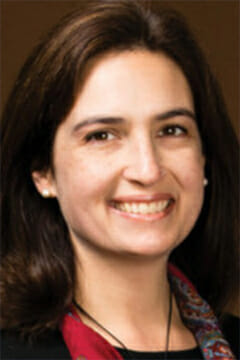
Laura M. Zawalich, M.S., CCC-SLP
Adjunct Lecturer
Laura M. Zawalich is a licensed Speech-Language Pathologist with a focus on childhood apraxia of speech (CAS), nonverbal learning disorder (NVLD), early language development, and receptive/expressive language disorders. She currently serves as a Speech-Language Pathologist at The Speech and Language Center in North Andover. Her previous experience includes serving as a Speech-Language Pathologist in Winchester Public Schools, and as a Special Education Instructional Assistant with Andover Public Schools. Laura earned her Master of Science in Speech-Language Pathology from Northeastern University and a Bachelor of Arts in History from the College of the Holy Cross. In addition to her SLP licence, she also holds a Certificate of Clinical Competence in Speech-Language Pathology from the American Speech-Language-Hearing Association (ASHA).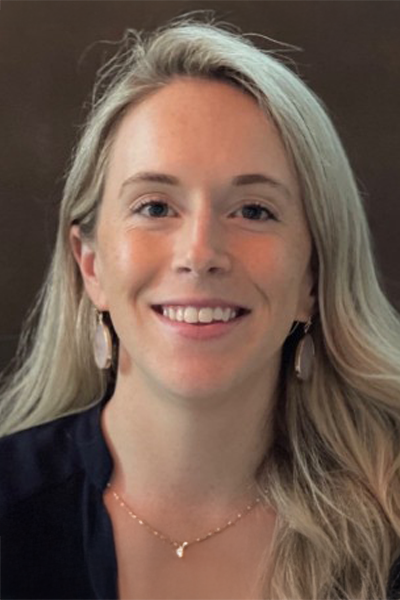
Amanda Smith, M.S., SLPD
Assistant Professor of Practice, Coordinator of Clinical Education
Amanda Smith is a speech-language pathologist with eighteen years of experience evaluating and treating students ages 3-22 within school-based settings. She first joined Merrimack College as an adjunct instructor teaching undergraduate students within the Communication Across the Lifespan minor. Amanda received a clinical doctorate from MGH Institute of Health Professions; her Capstone Research project developed and piloted a digital resource for caregivers of autistic preschoolers to support shared reading at home. Throughout her career, she has served as a Clinical Educator, supervising and mentoring clinical fellows, speech-language pathology assistants, graduate student clinicians and undergraduate students. Additionally, Amanda has provided in-home private speech therapy services to toddlers, preschoolers and school-age children, and their families both in Massachusetts and California. She is licensed in the state of Massachusetts, holds a Certificate of Clinical Competence from the American Speech Language and Hearing Association and an Educator’s License in Speech, Language and Hearing Disorders.
Gain Personalized Support from Our Success Coaches
Our Success Coaches are very important to your overall student experience. Throughout your time working towards your degree, your assigned Success Coach will help address many of the questions you may have outside the classroom. In doing so, they will help free more of your time to concentrate on mastering the content that is so important to your program progression.
Once you are accepted into your graduate program, your Success Coach will contact you via your student email. You will engage with your Success Coach from the time you are admitted until you graduate, allowing you to have a consistent point of contact as you work to achieve your goals. Many of our students and alumni appreciate the impact that their Success Coach had in their graduate journey.
At Merrimack College, you’re going to get all of the support that you would need to be successful. [...] Once the program starts, you are linked with a success coach who checks in with you regularly.
Merrimack College Graduate Program Alum
Fellowships, Scholarships, and Financial Aid
SLL Graduate Fellowships
Graduate fellowships in Merrimack’s M.S. in Speech-Language Pathology program provide hands-on professional experience while significantly reducing tuition. Fellows benefit from real-world work opportunities and professional networking.
The M.S. in Speech-Language Pathology fellowship program offers graduate students the opportunity to receive a Provost Fellowship, which covers 50% of tuition for the first year of the program (up to 36 credits). This fellowship includes a 9-month, unpaid placement, requiring a commitment of 15 hours of work per week.
Note that, because of the 375 hours of field work integrated into the SLL curriculum, fellowships are not available for the second year of the program.
Scholarships and Financial Aid
Merrimack College offers the following scholarship opportunities to M.S. in Speech-Language Pathology students:
- Dean Scholarship: Determined by academic merit and financial need. Students are automatically considered for a Dean Scholarship upon applying.
- Double Warrior Alumni Scholarship: Available to all Merrimack graduates. Students enrolling immediately after senior undergraduate year automatically receive a 33% discount, and 25% thereafter. Please note that Double Warrior alumni scholarships cannot be combined with Dean Scholarships.
Financial aid in the form of federal aid, private loans, and payment plans are also options available for graduate students. Click the link below to learn more about our scholarships and financial aid opportunities.
Application Information for the M.S. in Speech-Language Pathology
Eligibility & Prerequisites
The SLL graduate degree program welcomes interested students with bachelor’s degrees in all fields. In compliance with the standards set by ASHA and CAA, there are prerequisite undergraduate courses and experiences which must be completed before starting our graduate program.
Applicants can complete these prerequisites during their undergraduate education or through the Undergraduate Certificate in Speech-Language Pathology.
The prerequisite undergraduate courses and experiences are:
- 4 courses in basic knowledge covering:
- Biological Sciences
- Behavioral or Social Sciences
- Statistics
- Physics or Chemistry
- Undergraduate course content sufficiently covering information in communication sciences and disorders:
- Introduction to Communication Sciences and Disorders
- Phonetics
- Anatomy & Physiology for Speech, Language, Hearing & Swallowing
- Language Development
- Audiology/Aural Rehabilitation
- Speech & Hearing Sciences
- Completion of 25 hours of guided observation with a licensed speech-language pathologist or audiologist trained as a clinical educator.
How to Apply
It’s easy to apply through Merrimack College’s online application! Simply create your account by registering a username and password. This will allow you to start an application, save and log back in at any time to complete it before submission.
We also accept applications submitted through the Communications Sciences and Disorders Centralized Application Service (CSDCAS).
A Completed Application Includes:
- Online application
- Official college transcripts from all institutions attended
- Resumé
- Two letters of recommendation
- A personal statement outlining your career goals and relevant experiences which highlight how you are ready to learn with us in preparation of supporting individuals with a variety of communication needs.
Important Information:
- No GRE requirement.
- No application fee if you apply via Merrimack’s online application. Applications may also be submitted through the Communications Sciences and Disorders Centralized Application Service (CSDCAS.org), but please note that CSDCAS does assess a third-party fee.
- Optional: Submit test scores to enhance or support your academic background.
Graduate Community and Student Support
As a graduate student at Merrimack College, you are welcome to visit campus and explore our resources to help you optimize your educational journey.
Our graduate students benefit from:
A dedicated success coach to support you throughout the program
A warm, inviting place to meet and network with faculty and peers face-to-face
All resources in our campus library to aid in your studying and research
Access to Merrimack's IT Help Desk
Availability of counseling and wellness services
Want to Learn More about the M.S. in Speech-Language Pathology
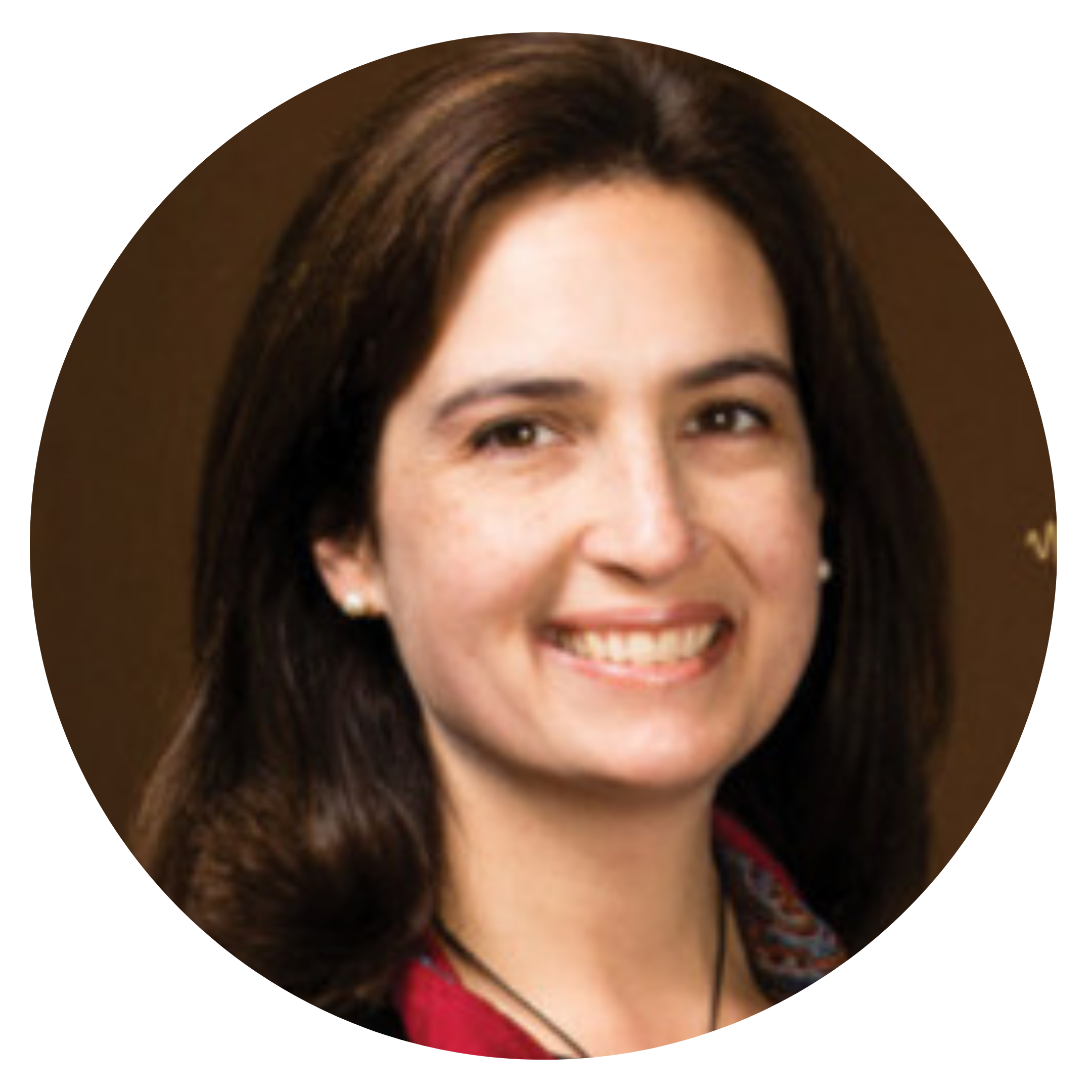
Contact the Program Director, Dr. Rachel Aghara!
Take the Next Step (We're Here to Help)
At Merrimack, we are ready to meet you where you are and get you where you want to go. And, we make the process simple along the way! Please feel free to contact our Graduate Admission team or join us at an upcoming event if you have any questions regarding scholarships, financial aid, or the application process.
Student Achievement Data
| Graduating Class Year | On-time Completion | Praxis Exam | Secured Individual Funding Support | |||
|---|---|---|---|---|---|---|
| # in Graduating Cohort | % Completed On Time | Test Takers | Pass Rate | # in Graduating Cohort | % Obtained Funding | |
| 2028 | Pending | Pending | Pending | Pending | Pending | Pending |
Please note that this data will not be available until Merrimack College’s first cohort of M.S. in Speech-Language Pathology students graduate in 2028.
Programs Related to the M.S. in Speech-Language Pathology
Explore other areas and where they can take you.



Check us out on social media!
What's New at Merrimack
Graduate Senate President has Lifelong Experience in Community Service

Associate Professor to Celebrate First Published Book at Tolle Lege

Conferences to Commencement: A Semester-Long Look Into a Student Researcher’s Last Milestones at Merrimack
Merrimack College Awards & Recognition
U.S. News & World Report | Best Regional Universities North (2026)
- Most Innovative Schools (#8)
- Regional Universities North (#38)
- Best Undergraduate Teaching (#20)
- Best Colleges for Veterans (#16)
- Best Value Schools (#52)