
Master of Arts (M.A.) in Spirituality
Study online, on campus or a combination of both.
Flexible timeline and evening classes available!
Our master’s degree in spirituality equips you to serve your community as a chaplain, minister, lay spiritual leader or counselor.
Spirituality Master's Degree at a Glance
Mode of Study
Online, On-campus, Hybrid
Est. Time
2 years full-time (part-time study available)
Start Terms
Fall, Spring
View Application Deadlines
Credits
32
Evening Classes
Available
Accreditation
Fellowships
Not Applicable
Scholarships
Dean Scholarship &
Alumni Scholarship
Tell Me More About Merrimack's Spirituality Master's Degree
"*" indicates required fields

Graduate & Doctoral Programs Virtual Information Session
Tuesday, April 14, 2026
from 6:00 pm
to 7:00 pm
Learn about Merrimack College's graduate community, your program's curriculum, the application process, financial aid, professional opportunities, fellowships and more!
Master of Arts in Spirituality Tuition
Credits
Per Credit
Total Tuition Cost
Tuition for 2025-2026. Rates are subject to change.
Typical Tuition Savings for the M.A. in Spirituality
Merrimack College offers generous scholarship opportunities to offset your graduate tuition.
Double Warrior Alumni Scholarships are awarded to all Merrimack College alumni, covering $6,547 or 33% of tuition, for recent graduates (25% for previously graduated alumni).
Dean Scholarships are merit-based awards offered to eligible graduate students who are not alumni of Merrimack College. These scholarships vary in amount and are awarded based on academic achievement and potential.
Visit the page below to find all up-to-date tuition and fees information.
Overview of Merrimack's M.A. in Spirituality
Merrimack’s Master of Arts in Spirituality offers students a flexible and deeply personal pathway to explore faith, spiritual traditions, and holistic well-being. Rooted in Augustinian theology yet welcoming individuals from all faiths and spiritual backgrounds, this program blends interfaith dialogue, interdisciplinary coursework, and transformative retreats to foster personal and professional growth. With options for online, on campus, or hybrid study, students can balance their education with work and family commitments. Graduates are prepared for meaningful careers in chaplaincy, counseling, social services, and leadership roles across healthcare, education, and nonprofit sectors. Through small class sizes, personalized mentorship, and a focus on spiritual diversity, students gain the tools to guide, heal, and inspire others in a rapidly evolving world.
This customizable program allows you to choose between the following options to complete your Master of Arts degree:
Master’s thesis based on original research
Explorations of related fields through electives
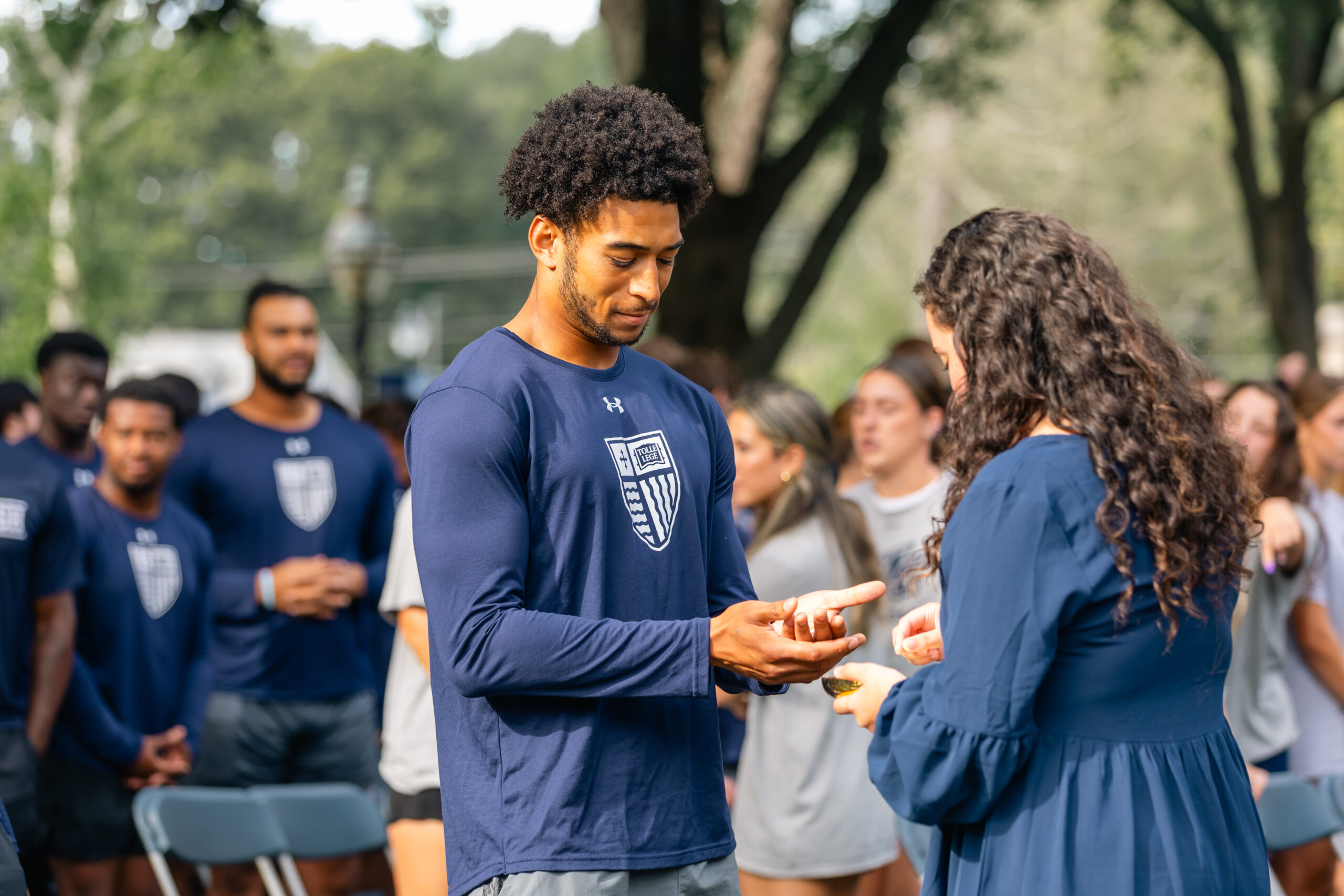
Why Choose the M.A. in Spirituality at Merrimack?
PERSONALIZED SPIRITUAL STUDIES
Merrimack College’s master’s degree in spirituality empowers you to explore your own journey of faith. More flexible than a traditional divinity degree or religious studies program, our master’s in spirituality features adaptable material, course electives and other options that let you bring personal meaning to the degree.
INTERFAITH AND INTERDISCIPLINARY
While Merrimack is a Catholic institution built upon Augustinian theology, the spirituality master’s degree welcomes students from all faiths and spiritual traditions. In addition to religious studies, electives include subject matter from mental health, social justice, education, healing arts and other disciplines.
TIGHT-KNIT, ENGAGED COMMUNITY
With small classes and a spiritual retreat, our spirituality graduate program enables you to build deep, one-on-one relationships with faculty and peers. You’ll become part of a supportive community, forming close bonds with individuals from varying ages, backgrounds and life experiences.
FLEXIBILITY AND CONVENIENCE
To accommodate students who are balancing the spirituality master’s degree with work, family and other responsibilities, Merrimack offers the program in full-time and part-time formats with evening class options. Generous scholarships are also available to make the spirituality degree affordable on almost any budget.
Career Outlook: Where Can a M.A. in Spirituality Take You?
Median Annual Salary
For Directors of Religious Education in 2025.
Job Meaning
For clergy, and 96% for Directors of Religious Activities and Education.
10:1
Estimated 20-year ROI*
Sources: Bureau of Labor Statistics (BLS), 2023; Salary.com & Payscale, 2025
*Estimated Return on Investment (ROI) based on average salary for roles with a Spirituality master’s degree in relation to Merrimack’s stated tuition for the program, and a potential salary increase of $10k over 20 years. Actual results will vary depending on career path, location, and individual circumstances.
Jobs with a Spirituality Master's Degree
A master’s degree in spirituality prepares you for a wide variety of professional roles. You may work within a particular faith, practice a nondenominational form of spiritual counseling or find employment in a non-religious field such as social work, education, mental health or nonprofit leadership.
Merrimack’s spirituality graduate degree trains you to assist people with all manner of personal and professional challenges. You’ll be qualified to work in jobs such as:
- Corporate, hospital or prison chaplain
- Lay spiritual director
- Religious educator
- Youth mentor
- Nonprofit leader
- Hospice counselor
- Residential advisor
- Family services specialist
- Corrections counselor
- Addiction recovery counselor
Where Merrimack's M.A. in Spirituality Graduates Work
Campus Minister
Private Practice
Hospital Chaplain
Pastoral Associate
What Our M.A. in Spirituality Students and Alumni Say
What You'll Learn in Merrimack's M.A. in Spirituality
Key Courses You'll Take
Topics and Method in the Study of Spirituality
RTS 5010
- Exploration of spirituality across religious traditions, texts, and practices, with a focus on definitions, religion’s role, and theological perspectives.
- Topics include Christian spirituality, mysticism (Western and Eastern), spirituality outside organized religion, and influential schools like the Augustinian tradition.
- Examination of ecological and embodied spirituality, along with the purpose and practice of spiritual direction.
Spirituality and Social Justice
RTS 5030
- Exploration of interiority, the search for meaning, and themes from Catholic Social Teaching, including human dignity, rights, the common good, and social justice.
- Examination of these themes across various spiritual traditions.
- Special focus on their roots in the teachings of the Hebrew Prophets.
Spirituality in a Religiously Diverse World
RTS 5040
- Exploration of religious leadership and spirituality that balances rootedness in one tradition with openness to interfaith dialogue.
- Study of beliefs and practices in Abrahamic and Eastern religious traditions, focusing on integrating transcendence with daily life.
- Emphasis on prayer, meditation, and contemplation through a comparative theological approach that respects each tradition’s integrity.
Master of Arts in Spirituality Curriculum
View Full Curriculum from the Graduate Catalog
Spirituality Requirements
To see more details about the program, please visit catalog.merrimack.edu.Skills You'll Learn
Our Master of Arts in Spirituality takes a unique interdisciplinary approach. You’ll gain a broad perspective that draws upon many academic fields, including theology, comparative religion, philosophy, psychology and social justice.
Core coursework in the spirituality graduate degree surveys spiritual traditions, texts and practices from across the world and throughout history. Additional courses (including electives) address topics such as:
Social justice
Spiritual diversity
Ethical and legal issues
Cultural diversity
Trauma
Human development
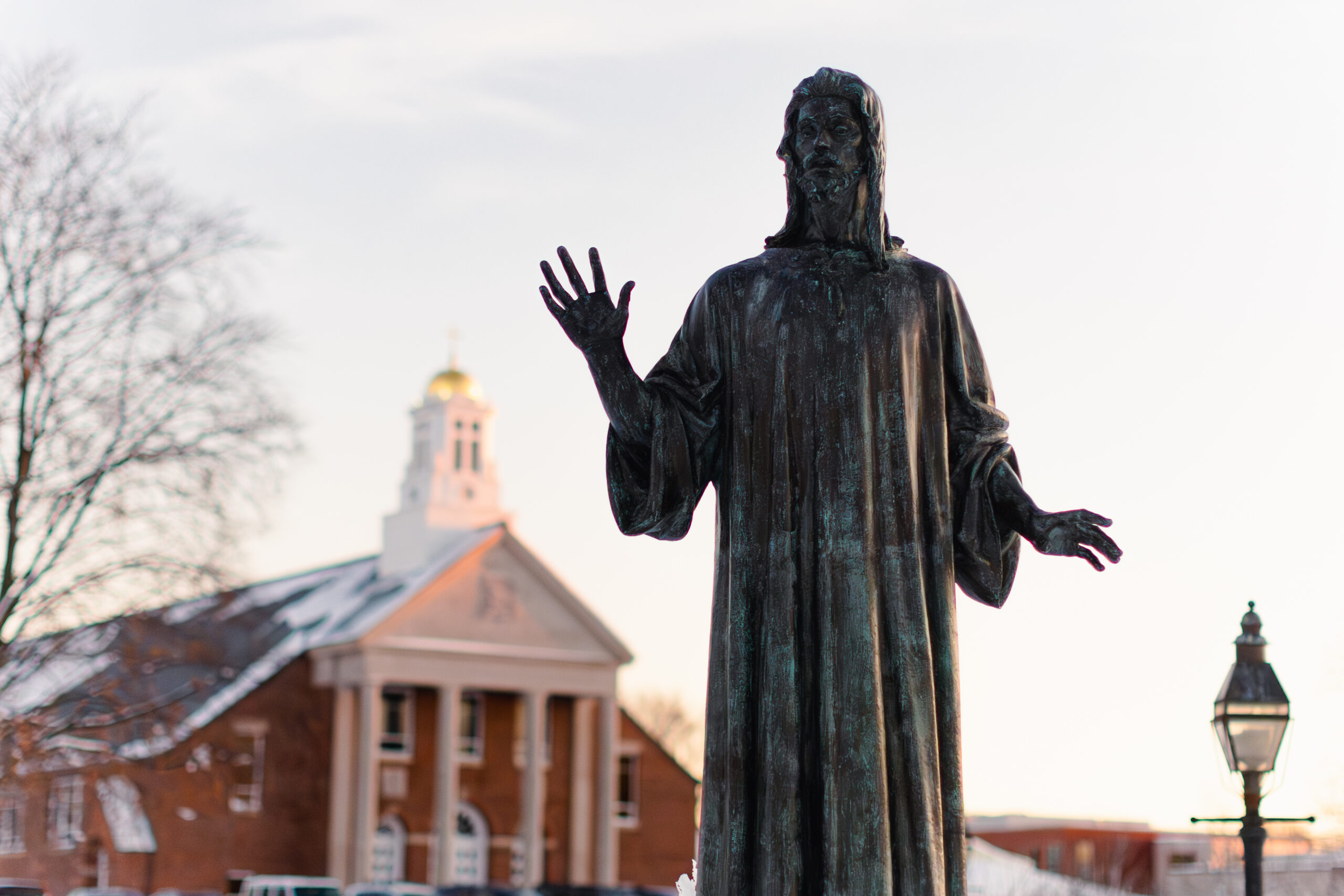
Graduate and Post-Graduate Certificates in Spirituality
Merrimack College also offers four graduate certificates and one post-graduate certificate in spirituality that can be taken fully online, fully on campus, or a combination of both. Not only are all of these certificates a great way to build your skills and credentials, our graduate certificates are also “stackable” – the credits you earn in these programs can be transferred directly into the M.A. in Spirituality with the same cost per credit!
View the expandable menu below for the description and curriculum requirements for each.
- Certificate in Spirituality and Chaplaincy
- Certificate in Spirituality and Wellness
- Certificate in Interfaith Spirituality
- Certificate in Spiritual Direction
- Post-Master’s Certificate in Spirituality and Research
Certificate in Spirituality and Chaplaincy
The Certificate in Spirituality and Chaplaincy prepares students to provide compassionate, faith-informed care across a variety of settings. Students gain meaningful, real-world experience through Clinical Pastoral Education (CPE), completing their hours under the mentorship of hospital administrators and certified supervisors. These hands-on placements allow them to apply classroom learning to real-life spiritual care, developing both professional and personal insight while receiving ongoing support from experienced mentors. The courses in this certificate explore spirituality across diverse faith traditions, sacred texts, and contemporary practices, helping students deepen their understanding of themselves and others. In addition to hospital-based placements, hospice and other approved pastoral settings may count toward the practicum requirement, offering flexibility for students to pursue experiences that align with their calling and career goals.
Program Requirements: 4 courses (16 credits)
Required Courses:
- RTS 6010 – Chaplaincy Internship I
- RTS 6011 – Chaplaincy Internship II
- RTS 5010 – Introduction to Methods and the Study of Spirituality or RTS 5020 – Christian Spirituality
Elective:
- One graduate-level course in Spirituality
Certificate in Spirituality and Wellness
The Certificate in Spirituality and Wellness bridges the connection between mind, body, and spirit, integrating spirituality with mental health and holistic healing practices. Agnostic of any specific religion, this certificate is designed for professionals in healthcare, counseling, and related fields, and empowers graduates to cultivate cultural awareness and provide compassionate, spiritually informed care.
Through a blend of theory and practice, students explore the powerful role spirituality plays in overall health and healing. The coursework in this certificate introduces approaches such as spiritual assessment, mindfulness, yoga, and wellness-based clinical care, offering a well-rounded foundation for supporting individuals and families through life’s challenges. Whether enhancing your current practice or preparing for new opportunities in holistic and mental health fields, this program provides the tools to foster genuine connection and whole-person healing.
Program Requirements: 4 courses (16 credits)
Required Courses:
- RTS5010 – Introduction to Methods and the Study of Spirituality or RTS5020 – Christian Spirituality
- CMH5130 – Diversity and Culture in Counseling or other approved CMH or SC course
- CMH5060 – Ethics and Legal Issues in Counseling or other approved CMH or SC course
Elective:
- One graduate-level course in Spirituality
Certificate in Interfaith Spirituality
The Graduate Certificate in Interfaith Spirituality offers an accessible and flexible path for students of all faiths to explore the world’s spiritual traditions. Rooted in Merrimack’s legacy of interfaith dialogue, the program combines academic study with personal reflection to deepen understanding and connection across cultures. Students examine topics such as religious diversity, social justice, and contemporary spirituality, guided by expert faculty. Ideal for professionals in education, healthcare, ministry, and counseling, this 16-credit program can stand alone or be applied toward a master’s degree in spirituality.
Program Requirements: 4 courses (16 credits)
Choose one of the following:
- RTS5010 – Method and Topics in the Study of Spirituality
- RTS5020 – Christian Spirituality
- RTS5030 – Spirituality and Social Justice
- RTS5040 – Spirituality in a Religiously Diverse World
3 Graduate Courses in RTS chosen from above or below in consultation with the Director:
- RTS5600 – Seminar in the Spiritual Life I
- RTS5601 – Seminar in the Spiritual Life II
- RTS 5025 Spirituality of the Pellagrinaggio
- RTS5750 – Independent Research
Certificate in Spiritual Direction
The Certificate in Spiritual Direction prepares students to guide others on their spiritual journeys through hands-on experience and interdisciplinary coursework. Designed for those called to help others deepen their faith, the program combines academic study with real-world practicum opportunities, blending spirituality, counseling, and reflective practice. With small class sizes, expert faculty, and flexible options—including fall or spring start dates, evening and daytime courses, and 20 total credits—students receive personalized mentorship and practical training. Graduates emerge as empowered spiritual directors, equipped with the insight and skills to counsel, support, and inspire others in their spiritual growth.
Program Requirements
Complete the following course (four credits):
- RTS 5040 Spirituality in a Religiously Diverse world
Seminar in Spiritual Life
Complete the following two required courses (eight credits):
- RTS 5600 – Seminar in the Spiritual Life I
- RTS 5601 – Seminar in the Spiritual Life II (another RTS graduate course may be chosen in consultation with the Director)
Practicum
Complete the following two required courses (eight credits) under supervision:
- RTS 5650 – Practicum in Spiritual Direction I
- RTS 5651 – Practicum in Spiritual Direction II
Post-Master’s Certificate in Spirituality and Research
The Post-Master’s Certificate in Spirituality and Research offers students the opportunity to explore spirituality through rigorous, independent research within a supportive academic community. Designed for those who already have a master’s degree and are looking to deepen their expertise, the program promotes advanced study, critical inquiry, and meaningful dialogue across diverse perspectives. Students develop the skills to conduct and present original research that contributes to the growing field of spirituality studies, building a foundation for publication, professional advancement, or continued doctoral work.
Program Requirements: 4 courses (16 credits)
Required Courses:
- RTS5750 – Independent Research or RTS5710 – Special Topics in Spirituality
(Both courses are repeatable for credit.)
Additional Coursework:
- Students may select additional existing courses offered at the college, provided they were not applied toward a previous degree or certificate.
Research Focus:
- Through these courses, students will design and complete research projects on specific topics within the field of spirituality.
Certificate in Spirituality and Chaplaincy
Certificate in Spirituality and Chaplaincy
The Certificate in Spirituality and Chaplaincy prepares students to provide compassionate, faith-informed care across a variety of settings. Students gain meaningful, real-world experience through Clinical Pastoral Education (CPE), completing their hours under the mentorship of hospital administrators and certified supervisors. These hands-on placements allow them to apply classroom learning to real-life spiritual care, developing both professional and personal insight while receiving ongoing support from experienced mentors. The courses in this certificate explore spirituality across diverse faith traditions, sacred texts, and contemporary practices, helping students deepen their understanding of themselves and others. In addition to hospital-based placements, hospice and other approved pastoral settings may count toward the practicum requirement, offering flexibility for students to pursue experiences that align with their calling and career goals.
Program Requirements: 4 courses (16 credits)
Required Courses:
- RTS 6010 – Chaplaincy Internship I
- RTS 6011 – Chaplaincy Internship II
- RTS 5010 – Introduction to Methods and the Study of Spirituality or RTS 5020 – Christian Spirituality
Elective:
- One graduate-level course in Spirituality
Certificate in Spirituality and Wellness
Certificate in Spirituality and Wellness
The Certificate in Spirituality and Wellness bridges the connection between mind, body, and spirit, integrating spirituality with mental health and holistic healing practices. Agnostic of any specific religion, this certificate is designed for professionals in healthcare, counseling, and related fields, and empowers graduates to cultivate cultural awareness and provide compassionate, spiritually informed care.
Through a blend of theory and practice, students explore the powerful role spirituality plays in overall health and healing. The coursework in this certificate introduces approaches such as spiritual assessment, mindfulness, yoga, and wellness-based clinical care, offering a well-rounded foundation for supporting individuals and families through life’s challenges. Whether enhancing your current practice or preparing for new opportunities in holistic and mental health fields, this program provides the tools to foster genuine connection and whole-person healing.
Program Requirements: 4 courses (16 credits)
Required Courses:
- RTS5010 – Introduction to Methods and the Study of Spirituality or RTS5020 – Christian Spirituality
- CMH5130 – Diversity and Culture in Counseling or other approved CMH or SC course
- CMH5060 – Ethics and Legal Issues in Counseling or other approved CMH or SC course
Elective:
- One graduate-level course in Spirituality
Certificate in Interfaith Spirituality
Certificate in Interfaith Spirituality
The Graduate Certificate in Interfaith Spirituality offers an accessible and flexible path for students of all faiths to explore the world’s spiritual traditions. Rooted in Merrimack’s legacy of interfaith dialogue, the program combines academic study with personal reflection to deepen understanding and connection across cultures. Students examine topics such as religious diversity, social justice, and contemporary spirituality, guided by expert faculty. Ideal for professionals in education, healthcare, ministry, and counseling, this 16-credit program can stand alone or be applied toward a master’s degree in spirituality.
Program Requirements: 4 courses (16 credits)
Choose one of the following:
- RTS5010 – Method and Topics in the Study of Spirituality
- RTS5020 – Christian Spirituality
- RTS5030 – Spirituality and Social Justice
- RTS5040 – Spirituality in a Religiously Diverse World
3 Graduate Courses in RTS chosen from above or below in consultation with the Director:
- RTS5600 – Seminar in the Spiritual Life I
- RTS5601 – Seminar in the Spiritual Life II
- RTS 5025 Spirituality of the Pellagrinaggio
- RTS5750 – Independent Research
Certificate in Spiritual Direction
Certificate in Spiritual Direction
The Certificate in Spiritual Direction prepares students to guide others on their spiritual journeys through hands-on experience and interdisciplinary coursework. Designed for those called to help others deepen their faith, the program combines academic study with real-world practicum opportunities, blending spirituality, counseling, and reflective practice. With small class sizes, expert faculty, and flexible options—including fall or spring start dates, evening and daytime courses, and 20 total credits—students receive personalized mentorship and practical training. Graduates emerge as empowered spiritual directors, equipped with the insight and skills to counsel, support, and inspire others in their spiritual growth.
Program Requirements
Complete the following course (four credits):
- RTS 5040 Spirituality in a Religiously Diverse world
Seminar in Spiritual Life
Complete the following two required courses (eight credits):
- RTS 5600 – Seminar in the Spiritual Life I
- RTS 5601 – Seminar in the Spiritual Life II (another RTS graduate course may be chosen in consultation with the Director)
Practicum
Complete the following two required courses (eight credits) under supervision:
- RTS 5650 – Practicum in Spiritual Direction I
- RTS 5651 – Practicum in Spiritual Direction II
Post-Master’s Certificate in Spirituality and Research
Post-Master’s Certificate in Spirituality and Research
The Post-Master’s Certificate in Spirituality and Research offers students the opportunity to explore spirituality through rigorous, independent research within a supportive academic community. Designed for those who already have a master’s degree and are looking to deepen their expertise, the program promotes advanced study, critical inquiry, and meaningful dialogue across diverse perspectives. Students develop the skills to conduct and present original research that contributes to the growing field of spirituality studies, building a foundation for publication, professional advancement, or continued doctoral work.
Program Requirements: 4 courses (16 credits)
Required Courses:
- RTS5750 – Independent Research or RTS5710 – Special Topics in Spirituality
(Both courses are repeatable for credit.)
Additional Coursework:
- Students may select additional existing courses offered at the college, provided they were not applied toward a previous degree or certificate.
Research Focus:
- Through these courses, students will design and complete research projects on specific topics within the field of spirituality.
Featured Faculty
Peter Ellard, Ph.D.
Director, Graduate Program in Spirituality and Spiritual Direction & Associate Professor of Practice
Dr. Peter Ellard is the Director of the Graduate Program in Spirituality and Spiritual Direction and an Associate Professor of Practice at Merrimack College, specializing in early and medieval Christian theology, spirituality, and the writings of Thomas Berry. His research focuses on climate change, mindfulness, and religious-environmental integration, with notable publications and contributions to higher education on topics such as student success and retention.
Raymond Dlugos, O.S.A., Ph.D.
Senior Associate Dean of Engineering, Research, and Innovation
The Rev. Raymond F. Dlugos, O.S.A., Ph.D., has served as Merrimack College's Vice President for Mission and Ministry since 2008 and is a licensed psychologist and ordained Roman Catholic priest. Previously, he led The Southdown Institute, a residential treatment center, and has extensive experience in psychology, counseling, teaching, and leadership.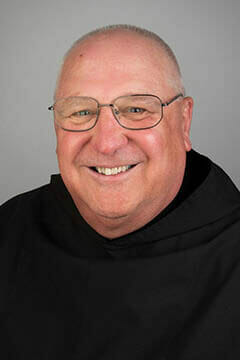
Maria Teresa Dávila, Ph.D.
Associate Professor of Religious and Theological Studies
Dr. Maria Teresa (MT) Dávila, Associate Professor of Religious and Theological Studies at Merrimack College, specializes in racial and migrant justice, public and political theology, and Catholic social teaching. An accomplished author and frequent contributor to the National Catholic Reporter, she explores themes of justice, ethics, and faith in both academic and public forums.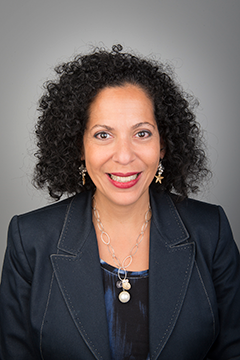
Gain Personalized Support from Our Success Coaches
Our Success Coaches are very important to your overall student experience. Throughout your time working towards your degree, your assigned Success Coach will help address many of the questions you may have outside the classroom. In doing so, they will help free more of your time to concentrate on mastering the content that is so important to your program progression.
Once you are accepted into your graduate program, your Success Coach will contact you via your student email. You will engage with your Success Coach from the time you are admitted until you graduate, allowing you to have a consistent point of contact as you work to achieve your goals. Many of our students and alumni appreciate the impact that their Success Coach had in their graduate journey.
At Merrimack College, you’re going to get all of the support that you would need to be successful. [...] Once the program starts, you are linked with a success coach who checks in with you regularly.
Merrimack College Graduate Program Alum
Scholarships and Financial Aid
Merrimack College offers generous scholarships for M.A. in Spirituality students:
- Dean Scholarship: Determined by academic merit and financial need. Students are automatically considered for a Dean Scholarship upon applying.
- Double Warrior Alumni Scholarship: Available to all Merrimack graduates. Students enrolling immediately after senior undergraduate year automatically receive a 33% discount, and 25% thereafter. Please note that Double Warrior alumni scholarships cannot be combined with Dean Scholarships.
Financial aid in the form of federal aid, private loans, and payment plans are also options available for graduate students. Click the link below to learn more about our scholarships and financial aid opportunities.
Application Information for the M.A. in Spirituality
It’s easy to apply online! Simply create your account by registering a username and password. This will allow you to start an application, save and log back in at any time to complete it before submission.
A Completed Application Includes:
- Online application
- Official college transcripts from all institutions attended
- Resumé
- Interview OR personal statement
- Contact information for one reference OR one letter of recommendation
Important Information:
- No application fee or GRE requirement.
- Optional: Submit test scores to enhance or support your academic background.
Graduate Community and Student Support
As a graduate student at Merrimack College, you are welcome to visit campus and explore our resources to help you optimize your educational journey.
Our graduate students benefit from:
A dedicated success coach to support you throughout the program
A warm, inviting place to meet and network with faculty and peers face-to-face
All resources in our campus library to aid in your studying and research
Access to Merrimack's IT Help Desk
Availability of counseling and wellness services

Want to Learn More about the M.A. in Spirituality
Contact the Program Director, Peter Ellard!
Take the Next Step (We're Here to Help)
At Merrimack, we are ready to meet you where you are and get you where you want to go. And, we make the process simple along the way! Please feel free to contact our Graduate Admission team or join us at an upcoming event if you have any questions regarding scholarships, financial aid, or the application process.
Programs Related to the Master of Arts in Spirituality
Explore other areas and where they can take you.
Grad Chat Podcast
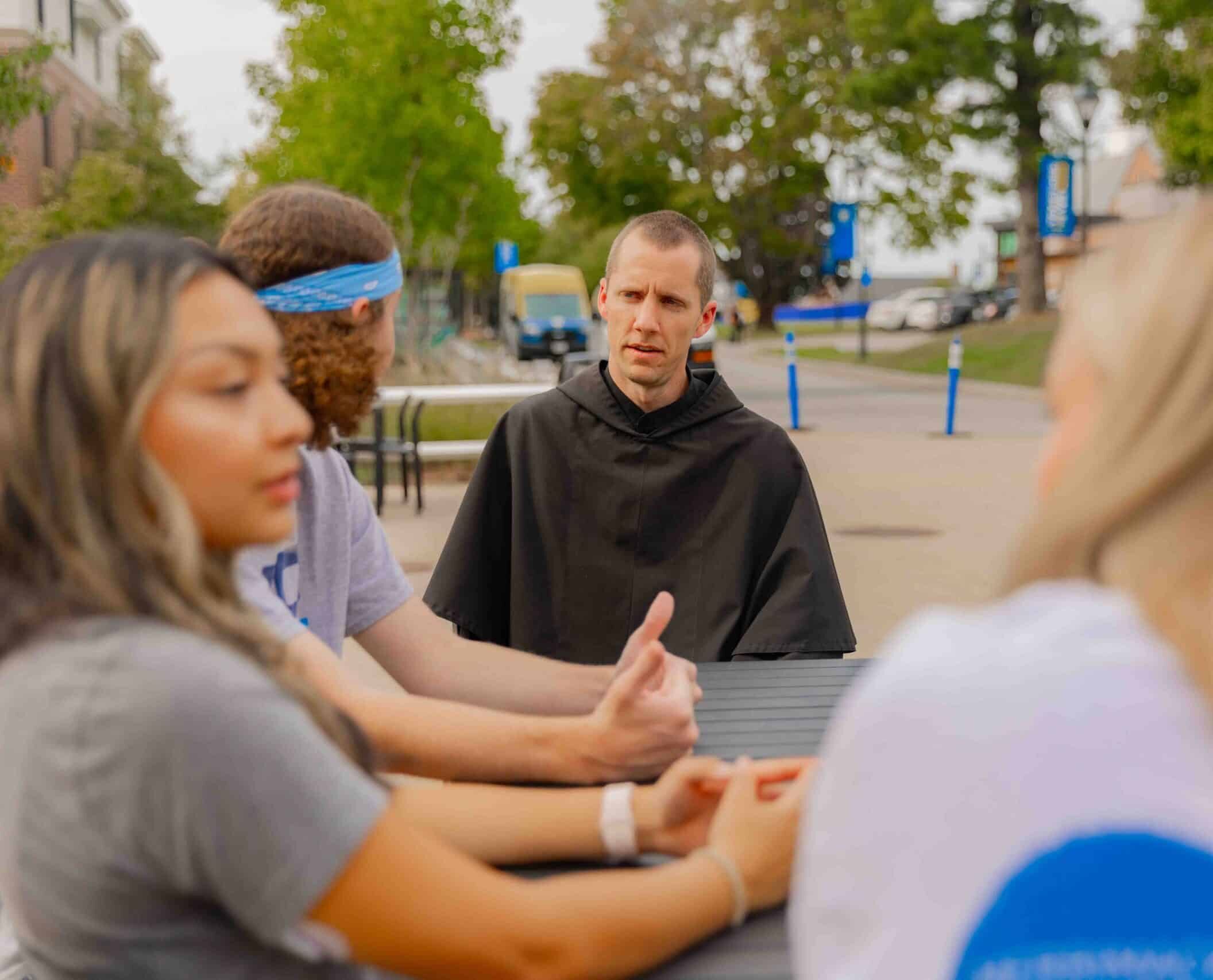
Don’t miss out on this captivating episode of Grad Chat, featuring Katherine Gundersen and Laura O’Connor from Merrimack’s Spirituality master’s programs. They dive into the inspiring journey of going back to school, assuring everyone that age is just a number and fear is unnecessary in Merrimack’s warm and supportive community. The discussion unfolds the significance of exploring diverse religions and perspectives, emphasizing the unique insights shared by our guests. Tune in to discover their specific take on the hybrid model’s benefits! If you’re curious about Merrimack’s Spirituality master’s programs, this episode is a must-listen!
Check us out on social media!
What's New at Merrimack
Merrimack College Awards & Recognition
U.S. News & World Report | Best Regional Universities North (2026)
- Most Innovative Schools (#8)
- Regional Universities North (#38)
- Best Undergraduate Teaching (#20)
- Best Colleges for Veterans (#16)
- Best Value Schools (#52)
Graduate Certificates in Spirituality
Merrimack College also offers five 16-credit online graduate certificates in Spirituality. Not only are they a great way to build your skills and credentials, they are also “stackable” – the credits you earn in either of these certificate programs can be transferred directly into the Master’s in Nonprofit Management and Community Engagement program with the same cost per credit! View the expandables below for the curriculum requirements for each.
Activating Community Change
Certificate in Activating Community Change
Communities today face complex social, political, and cultural challenges that require skilled advocates and leaders. This three-course, 12-credit sequence provides students with the tools to analyze community dynamics, understand the role of politics in community development, and harness the power of activism and social movements to drive meaningful change. Designed for working professionals in nonprofit and community-based organizations, the program offers flexibility through an online format, allowing participants to strengthen their skills while continuing in their current roles. All credits earned may also be applied toward Merrimack’s Master’s in Community Engagement and Nonprofit Leadership.
For this program, you will need to complete three required courses:
- CME 5100 – Community Engagement: Theory and Practice (Credits: 4)
- CME 6310 – Politics of Community Engagement (Credits: 4)
- CME 6170 – Activism, Social Movements, and Community Engagement (Credits: 4)
Community-Based Nonprofit Leadership
Certificate in Community-Based Nonprofit Leadership
The non-profit sector is among the most dynamic and fast growing in the United States, but few leave colleges prepared to work and effectively lead in this area. This three-course sequence will give participants the tools they need to understand the broader landscape of community non-profits, to learn management and leadership skills specific to non-profit organizations, and to learn the development techniques needed to sustain an organization over time. This program has been designed to allow employees and leaders of nonprofits to pursue these skills and techniques in a finite period of time and without leaving their current position. This certificate is available online. Each course has required synchronous and asynchronous components.
For this program, you will need to complete three required courses:
- CME 5100 – Community Engagement Theory and Practice (Credits: 4)
- CME 6200 – Management and Leadership in Non-Profits (Credits: 4)
- CME 6210 – Fundraising, Grant Writing, and Development (Credits: 4)
- Spirituality and Chaplaincy
- Spirituality and Wellness
- Spirituality and Research (Post-Master’s)
- Interfaith and Spirituality
- Spiritual Direction
Certificate in Spirituality and Chaplaincy
The Certificate in Spirituality and Chaplaincy prepares students to provide compassionate, faith-informed care across a variety of settings. Students gain meaningful, real-world experience through Clinical Pastoral Education (CPE), completing their hours under the mentorship of hospital administrators and certified supervisors. These hands-on placements allow them to apply classroom learning to real-life spiritual care, developing both professional and personal insight while receiving ongoing support from experienced mentors. Courses explore spirituality across diverse faith traditions, sacred texts, and contemporary practices—helping students deepen their understanding of themselves and others. In addition to hospital-based placements, hospice and other approved pastoral settings may count toward the practicum requirement, offering flexibility for students to pursue experiences that align with their calling and career goals.
For this program, you will need to complete three required courses:
- RTS 6010 – Chaplaincy Internship I (Credits: 4)
- RTS 6011 – Chaplaincy Internship II (Credits: 4)
- RTS 5010 – Introduction to Methods and the Study of Spirituality or RTS 5020 – Christian Spirituality (Credits: 4)
Elective:
- One graduate-level course in Spirituality
Certificate in Spirituality and Wellness
The Certificate in Spirituality and Wellness bridges the connection between mind, body, and spirit—integrating spirituality with mental health and holistic healing practices. Designed for professionals in healthcare, counseling, and related fields, this program empowers students to cultivate cultural awareness and provide compassionate, spiritually informed care.
Through a blend of theory and practice, students explore the powerful role spirituality plays in overall health and healing. Coursework introduces approaches such as spiritual assessment, mindfulness, yoga, and wellness-based clinical care, offering a well-rounded foundation for supporting individuals and families through life’s challenges. Whether enhancing your current practice or preparing for new opportunities in holistic and mental health fields, this program provides the tools to foster genuine connection and whole-person healing.
For this program, you will need to complete 4 courses (16 credits):
Required Courses:
- RTS5010 – Introduction to Methods and the Study of Spirituality or RTS5020 – Christian Spirituality
- CMH5130 – Diversity and Culture in Counseling
- CMH5060 – Ethics and Legal Issues in Counseling
Elective:
- One graduate-level course in Spirituality
Post-Master’s Certificate in Spirituality and Research
The Post-Master’s Certificate in Spirituality and Research offers scholars the opportunity to explore spirituality through rigorous, independent research within a supportive academic community. Designed for those looking to deepen their expertise, the program fosters advanced study, critical inquiry, and meaningful dialogue across diverse perspectives. Students develop the skills to conduct and present original research that contributes to the growing field of spirituality studies—building a foundation for publication, professional advancement, or continued doctoral work.
Program Requirements: 4 courses (16 credits)
For this program, you will need to complete two required courses:
- RTS 5750 – Independent Research or RTS 5710 – Special Topics in Spirituality (both courses are repeatable for credit.) (Credits: 4)
- CME 6310 – Politics of Community Engagement (Credits: 4)
Additional Coursework:
- Students may select additional existing courses offered at the college, provided they were not applied toward a previous degree or certificate.
Research Focus:
- Through these courses, students will design and complete research projects on specific topics within the field of spirituality.
Certificate in Interfaith and Spirituality
The Graduate Certificate in Interfaith Spirituality offers an accessible and flexible path for students of all faiths to explore the world’s spiritual traditions. Rooted in Merrimack’s legacy of interfaith dialogue, the program combines academic study with personal reflection to deepen understanding and connection across cultures. Students examine topics such as religious diversity, social justice, and contemporary spirituality, guided by expert faculty. Ideal for professionals in education, healthcare, ministry, and counseling, this 16-credit program can stand alone or be applied toward a master’s degree in spirituality.
For this program, you will need to complete three required courses:
- RTS5600 – Seminar in the Spiritual Life I (Credits: 4)
- RTS5601 – Seminar in the Spiritual Life II (Credits: 4)
- RTS5750 – Independent Research (Credits: 4)
Your choice of one of the following courses:
- RTS5010 – Method and Topics in the Study of Spirituality (Credits: 4)
- RTS5020 – Christian Spirituality (Credits: 4)
- RTS5030 – Spirituality and Social Justice (Credits: 4)
- RTS5040 – Spirituality in a Religiously Diverse World (Credits: 4)
Certificate Spiritual Direction
The Certificate in Spiritual Direction prepares students to guide others on their spiritual journeys through hands-on experience and interdisciplinary coursework. Designed for those called to help others deepen their faith, the program combines academic study with real-world practicum opportunities, blending spirituality, counseling, and reflective practice. With small class sizes, expert faculty, and flexible options—including fall or spring start dates, evening and daytime courses, and 20 total credits—students receive personalized mentorship and practical training. Graduates emerge as empowered spiritual directors, equipped with the insight and skills to counsel, support, and inspire others in their spiritual growth.
The Certificate Program in Spiritual Direction consists of 20 credits.
For this program, you will need to complete one of the following courses:
- RTS 5010 – Method and Topics in the Study of Spirituality (Credits: 4)
- RTS 5020 Christian Spirituality (Credits: 4)
- RTS 5030 – Spirituality and Social Justice (Credits: 4)
- RTS 5040 Spirituality in a Religiously Diverse world (Credits: 4)
Seminar in Spiritual Life
Complete the following two required courses:
- RTS 5600 – Seminar in the Spiritual Life I (Credits: 4)
- RTS 5601 – Seminar in the Spiritual Life II (Credits: 4)
Practicum
Complete the following two required courses under supervision:
- RTS 5650 – Practicum in Spiritual Direction I
- RTS 5651 – Practicum in Spiritual Direction II