A graduate student is now a sought-after trainer on state-of-the-art lab equipment. Companies in the pharmaceutical, biotechnology and even the arts are utilizing the 7,000-square-foot space. Alumni are also being recognized for their contributions to faculty research efforts.
Merrimack College’s Shared Instrumentation and Research Facility, a cornerstone of the College’s pursuit of R2 classification, has quickly exceeded its mission to be a hub and incubator for student learning, innovative research and industry partnerships.
“Since opening, the SIRF has been instrumental – pun intended – in recruiting top-notch faculty, obtaining external funding for life sciences research and enabling dozens of students to take part in ground-breaking discoveries,” said April Bowling, vice president of research. “It has also been critical for establishing new industry relationships and further enhancing student outcomes and faculty collaborations. The bottom line is that the SIRF has been key to Merrimack becoming a recognized player in the Massachusetts life sciences ecosystem.”
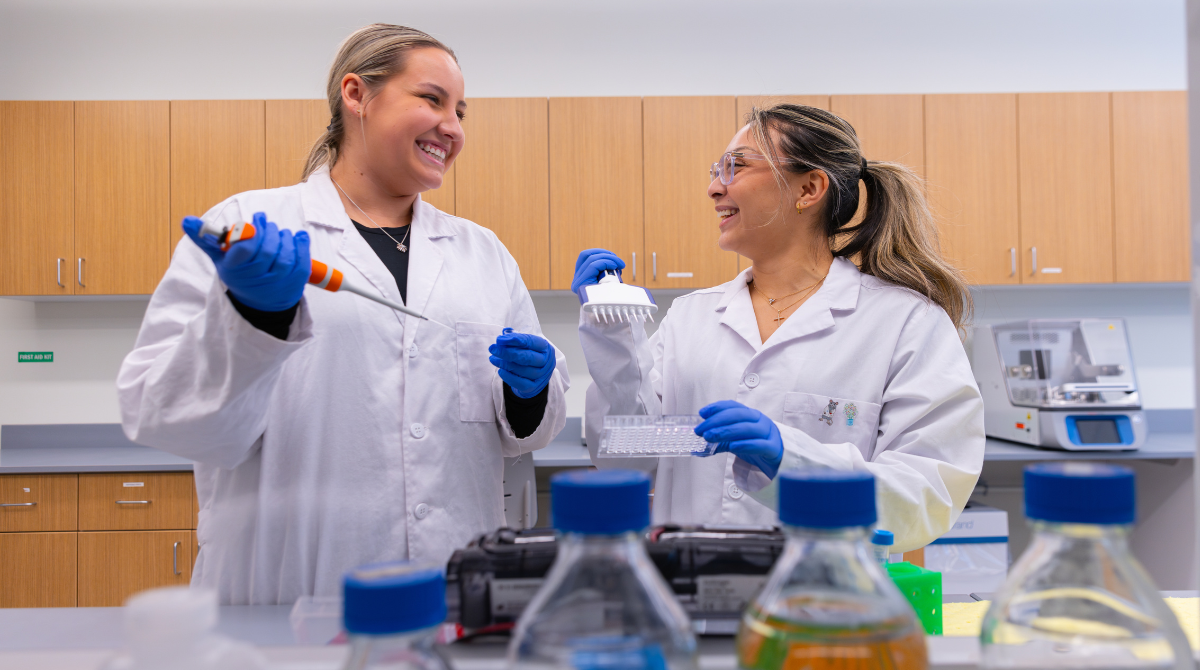
There are 9 faculty members conducting research in the SIRF, along with 25 undergraduate and graduate students.
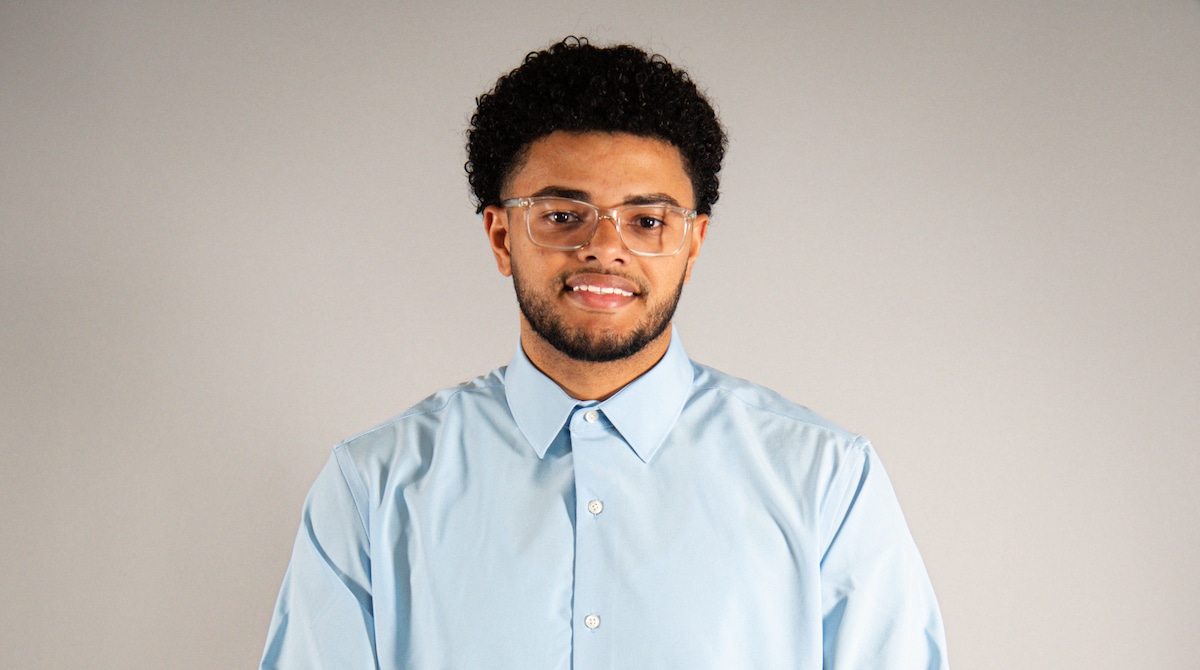
Gabby Chase ’25, M’26, has become so versed on the SIRF’s confocal microscope that she is being tapped to demonstrate to Merrimack faculty, staff and other students how to use it for their work. She even compiled a standard operating procedure to share with future users.
“My work on the confocal really ramped up when I became a graduate student and could use it on my own,” said Chase. “Last year, we wanted to start bringing more people in to learn how you use it, so I’ve been working with a lot of different labs here. I’ve spent a lot of time in the confocal room.”
Chase has been working with Bharath for the past three and half years, and noted their research capacity has been significantly enhanced thanks in part to the instrumentation in the SIRF. The confocal microscope has been integral in Bharath’s research into how cellular changes lead to inflammation as humans age. The Confocal Microscope’s high resolution technology allows researchers to observe different flurophore tagged proteins within the cells.
“There is a bit of a learning curve for sure because you have to make sure everything is set correctly so you don’t overexpose the cells,” said Chase, who is moving on to medical school after she graduates from Merrimack this spring.
Along with supporting student career development, the SIRF has partnered with numerous external organizations, not only offering the use of instrumentation, but also student talent.
One of those partnerships stands at the intersection of the arts and the sciences. History Echoes Analytical Services LLC, a small Boston-based company examines historical artifacts using scientific and analytical methods within the SIRF. One artifact recently analyzed was a yellow dragon robe dating back to the late Qing dynasty of the 19th century that is currently housed at the Peabody Essex Museum in Salem, Mass.
Through thread sample analysis, the robe’s yellow hue most likely comes from the buds of the pagoda tree. Identifying the source of the dye helps researchers narrow down where it was made and the time period it was produced.
Cheyenne Zhang, owner and lead researcher of History Echoes Analytical Services utilizes the SIRF’s instrumentation to perform analysis, which allows her to separate, detect and identify compounds within a sample. Once materials are properly analyzed, they can then be preserved appropriately. When artifacts Cheyenne works with date back to 1000 B.C., proper preservation is essential.
“I want to add more complete research towards synthetic dyes, there is not too much research on their degradation properties,” Zhang explained. “So, what museum curators want to know is how long or in what conditions they should display this artifact. I want to learn which materials are more prone to degradation so I can share that with museum curators to generate a better plan to display the artifacts without damaging it.”
Zhang is one of the few specialized scientific researchers in this field relating to identifying and preserving cultural heritage in the United States, having a background in both the pharmaceutical industry and organic chemistry. She has also worked with the Museum of Fine Arts, Boston, the Isabella Stewart Gardner Museum; the Victoria and Albert Museum in London and the Shanghai Museum in China.
Through another SIRF partnership with Pfizer, Jasmine Syriac ’25, an alumna of applied microbiology and public health received an award from the leading pharmaceutical company in recognition of her work alongside Laura Kurdziel, associate professor in the School of Arts and Sciences, that focused on the role that cortisol has on sleep
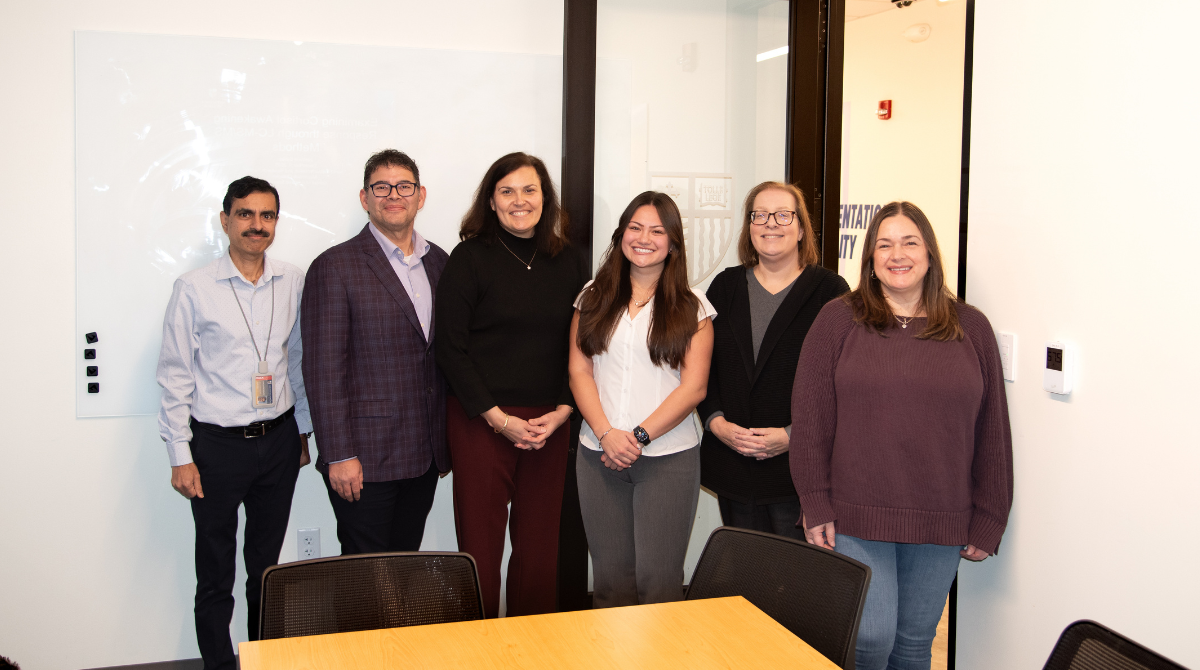
Woburn-based CreaGen Biosciences, Inc., is a frequent collaborator with the SIRF, conducting drug discovery research and development right on Merrimack’s campus. Additionally, Serena McCarthy M’26 is working with CreaGen Biosciences and earning credit hours toward her graduate fellowship within the applied chemistry program.
“It’s a really great way to kind of bridge my academic learning and the kind of academic research environment with the real-life, industry-based setting,” said McCarthy. “That’s what I came to Merrimack for. What I think it (the internship experience) reflects mostly is how it’s different from academic research. It’s really challenging, but I’m really enjoying it. I feel like that’s going to help me a lot in the future.”
Charm Sciences, Inc. is another local biotechnology company that utilizes the SIRF for its cutting edge technology and faculty expertise. SIRF Director Manikandan Santhanaraman has facilitated a number of industry collaborations to bring industry-based experiments to the SIRF. These industry partnerships have helped to create meaningful opportunities for Merrimack students to be an integral part of the life science innovation hub here in New England.