For Ryan Right ’27, a summer internship at the Plum Island Museum of Lost Toys & Curiosities offered not just professional experience, but also the opportunity to shape the visual identity of a growing cultural institution while translating classroom learning into real-world design practice.
A Graphic Design major and Marketing minor, Right worked remotely as a Graphic Design Intern under museum founder Corinn Flaherty. The position required flexibility, independence, and strong communication skills. Right balanced shifting priorities while contributing meaningfully to the Museum’s evolving brand presence.
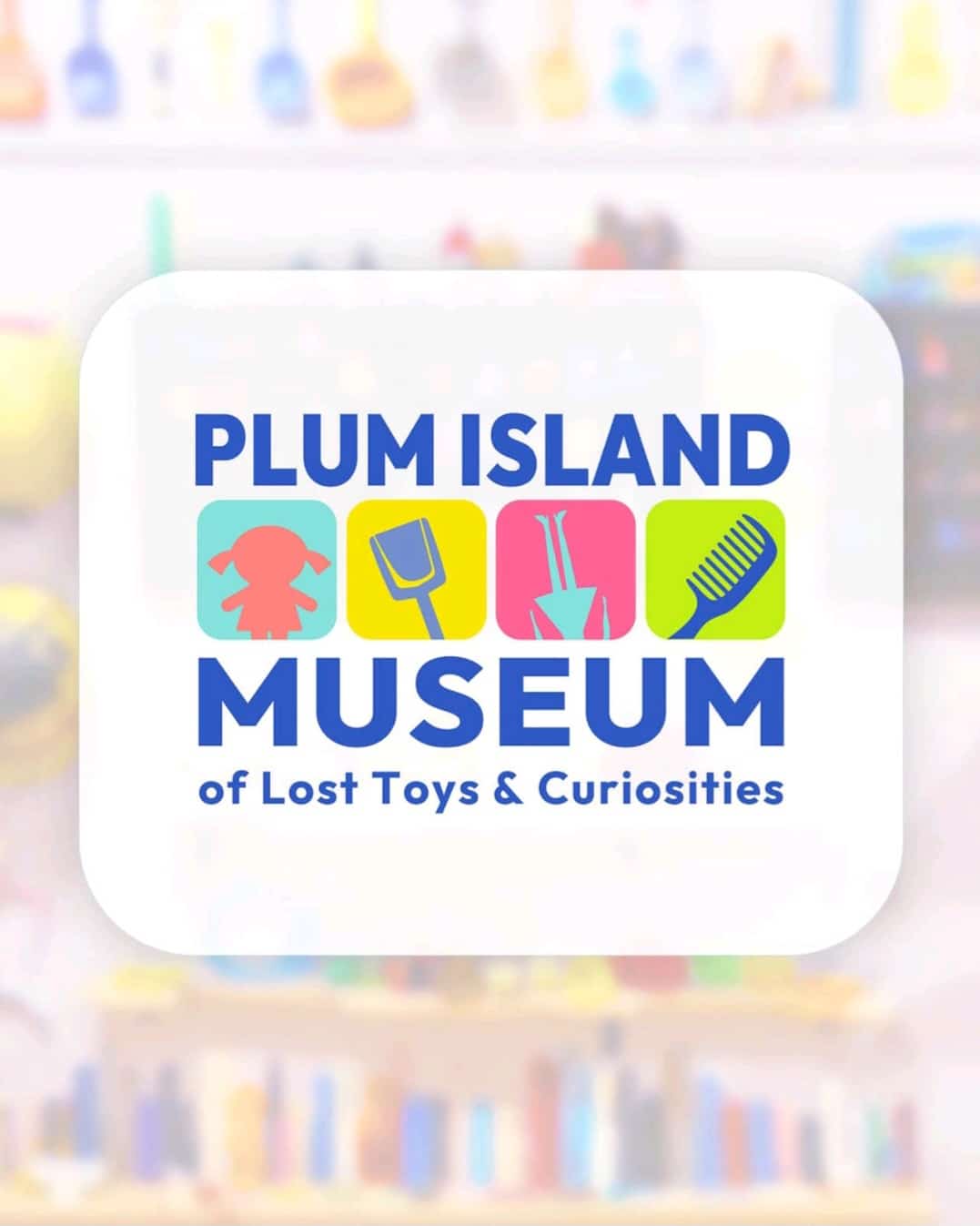
Throughout the summer, Right played a central role in redesigning and refining the Museum’s branding materials. “Corinn and I met weekly to discuss our game plan, prioritize projects, and set goals for the week,” he explained. “My responsibilities included designing and refining branding materials, creating a new logo, updating the museum’s website, producing QR code signage and PDFs, and designing social media and print materials, all aligned with the new brand identity.”
 The internship emerged directly from a Merrimack classroom experience. “Our group was gathering photos for a magazine layout, and during a conversation with Corinn, she mentioned the internship opportunity. After exchanging contact information, we laid the groundwork for the internship from there.” The experience also reinforced foundational design principles from Merrimack graphic design courses such as typography, color theory, iconography, and iterative design processes.
Through the role, Right developed and strengthened several key professional skills. “I gained hands-on experience in branding and visual identity design, including designing a logomark and establishing a cohesive brand system,” he said. “I learned how to adapt design work across different mediums such as signage, downloadable PDFs, social media templates, and website layouts.”
One of the most valuable aspects of the internship was learning how to adapt creative work to real-world constraints. Designing for an institution required flexibility and responsiveness, as project goals sometimes shifted based on timing, resources, or new ideas. This adaptability proved essential in maintaining momentum while producing thoughtful, polished design solutions.
The internship solidified Right’s interest in pursuing a career in graphic design, with a particular focus on branding and visual identity. Seeing his work applied in a real setting, and understanding how design decisions shape audience perception, helped clarify his professional goals. Right explained, “It showed me the real-world application of the skills I’ve been learning in school and gave me confidence in my ability to manage design projects from conception to completion.”
For students seeking similar opportunities, Right emphasizes the importance of initiative and openness. “Take the initiative to reach out, communicate clearly, and manage your time effectively,” he said. “Also, be prepared to iterate and learn through the process, real-world design work often requires patience, persistence, and adaptability.”
By the end of the summer, Right had not only contributed to the visual evolution of the Plum Island Museum of Lost Toys & Curiosities, but also gained a deeper understanding of his own creative direction. The internship bridged academic study and professional practice, reinforcing the value of experiential learning and laying a strong foundation for future work in design.