The new program, a joint project of the departments of criminology and criminal justice, and chemistry and biochemistry, is designed to provide students with the social- and physical-science concepts behind the increasingly important field of forensics.
“It’s really a synergetic thing for both departments,” said Associate Professor of Chemistry Stephen Theberge, who developed the program along with his department chair, Anthony Fernandez, and Karen Hayden, chair of criminology and criminal justice. “It’s educating students about the best parts of both worlds.”
Hayden said the opportunity to create a new program that spanned disciplines was especially appealing.
“It was a very rewarding experience and something I’d like to do more of,” she said.
The 24-credit minor comprises three courses in criminology (Introduction to Criminology, Forensic Criminal Investigation and one elective) and three courses in chemistry (Investigations in Chemistry I, Investigations of Chemistry II and Forensic Chemistry and the Analysis of Evidence). Four of the required courses have been developed specifically for the new minor, which his open to all students.
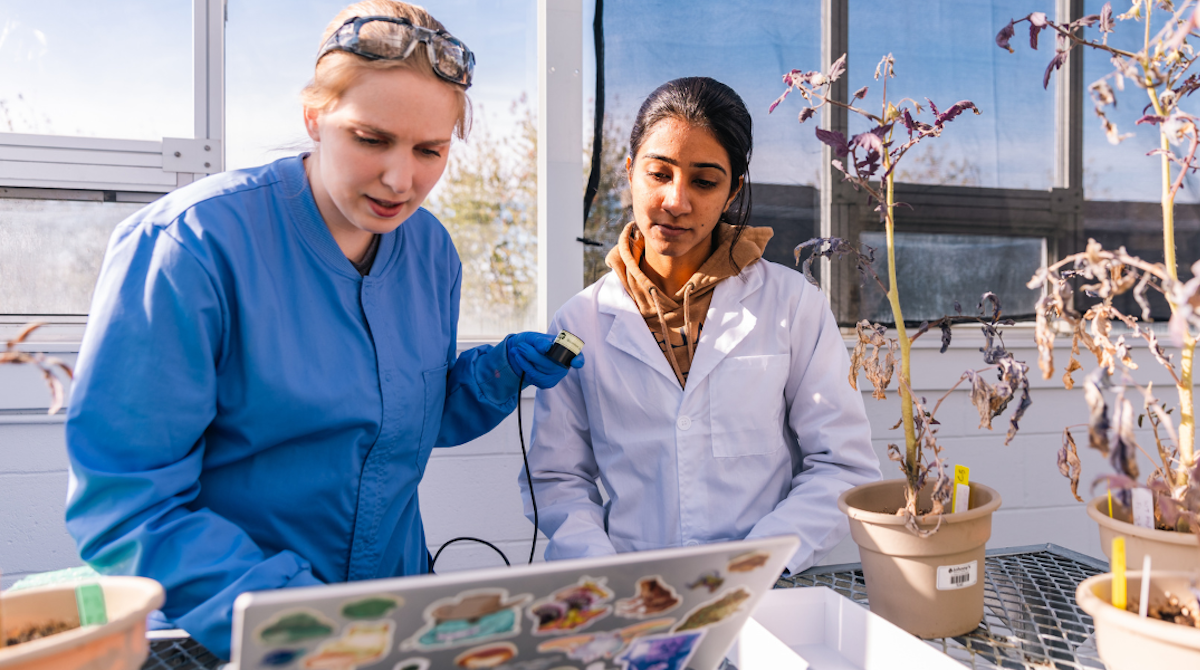
One of those new classes, “Investigations in Chemistry I,” will be taught by Theberge. The class will combine lectures and lab work and cover such topics as what to look for when measuring fingerprints, what chemical reaction is necessary to secure a print and how to measure blood splatter.
The minor provides an excellent foundation for students planning to enter graduate school or pursuing careers in criminal investigation, evidence collection, behavioral analysis or laboratory analysis.